Separate a fixture swap from a layout change
Write a retained-and-changed list for the tap, basin, shower fitting, laundry sink or other fixture. Keeping the same location and changing only an accessible component is a different scope from moving supply and drainage, altering a wall or adding a fixture. Explain the intended result without assuming those projects share the same permit or price basis.
Photographs should show the fixture, its accessible connections and the surrounding cabinet or wall. Include the model of the proposed product if chosen. A drawing helps when the layout changes, but a planning sketch is not an approved plumbing design. Use the appropriate renovation guide when the work reaches beyond the fixture.
Verify product and connection compatibility
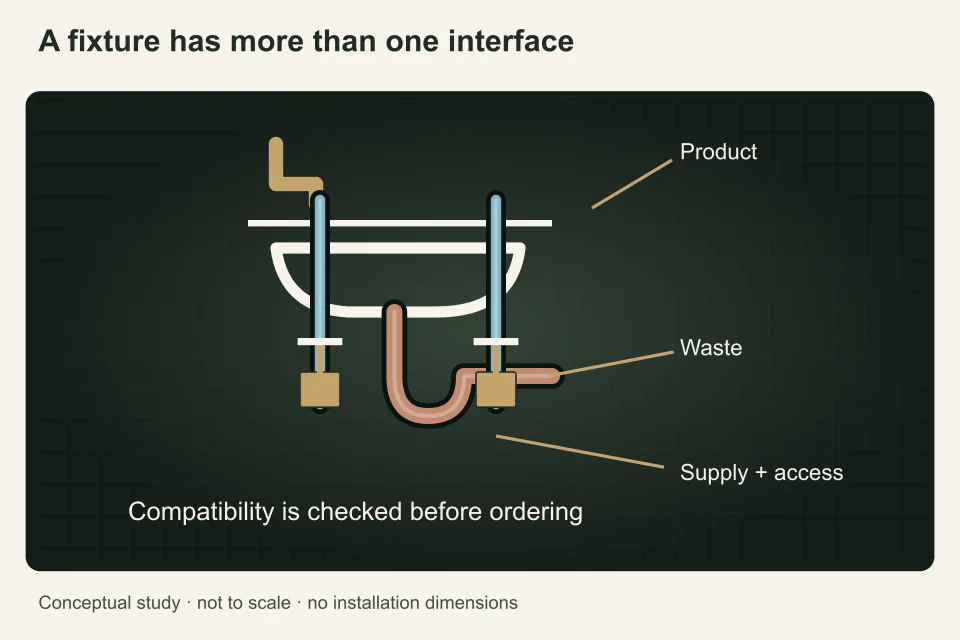
Ask the contractor to confirm mounting, connection type, accessible isolation, drainage fit and any required proprietary components. A product described as universal may still need adapters or a different mounting arrangement in the actual installation. Customer-supplied fixtures should be identified in the scope so responsibility for missing parts, defects and returns is clear.
For concealed shower controls, distinguish replacing an accessible trim piece from changing the valve body behind the wall. The latter may affect waterproofing and tile restoration. Do not dismantle concealed fittings to obtain measurements. Ask what can be established during an initial visit and what depends on access to the hidden assembly.
Plan shutdown and household disruption
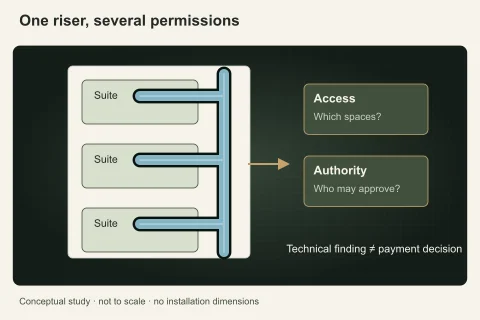
Identify which fixtures will be unavailable and whether the work needs local isolation or a wider shutdown. A detached house, townhouse and apartment have different access arrangements. In a shared building, the authorized manager may need to arrange notices, entry and a common shutoff rather than leaving those tasks to the unit occupant.
Consider how the household will use water while work is underway and whether another bathroom or sink remains available. Ask the contractor to explain the likely sequence and uncertainty without turning it into a promised completion time. If a worn valve or unexpected concealed fitting changes that sequence, the authorization route should already be agreed.
Allocate cabinets, surfaces and waterproofing
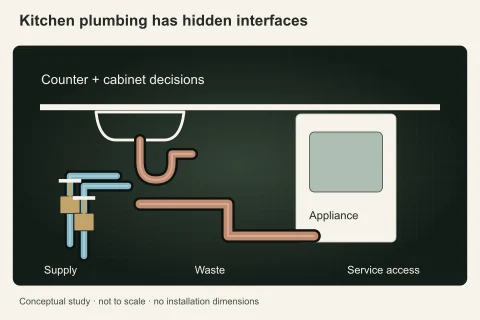
A tap replacement may leave the surrounding cabinet intact; a sink or concealed shower change may require other trades. List any countertop cutting, cabinet adjustment, tile work, waterproofing and painting separately. The contractor’s responsibility for those interfaces should be written, including whether the work is subcontracted or excluded.
For wet areas, restoring the surface appearance is not the same as establishing a waterproof assembly. Ask who confirms compatibility between the fixture and the surrounding system. Preserve product instructions and any photographs taken before covering new work. A finished-looking wall should not be accepted as evidence that every required check or inspection has occurred.
Confirm local scope and completion documents
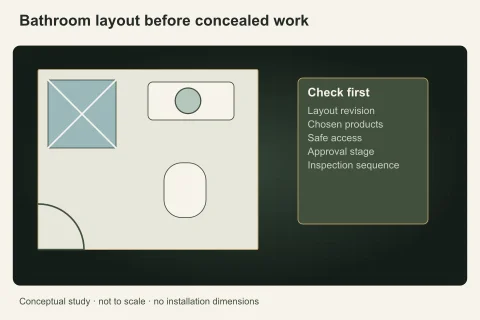
The Township’s application guide differentiates fixture work from broader changes, while the City has its own permit path. Confirm the current requirement for the actual proposal if piping, fixture locations or system capacity changes. Where a building permit already exists, ask whether the fixture and plumbing work are included rather than making duplicate assumptions.
At completion, keep product names, components installed, invoice details and any contractor warranty in the property file. Request confirmation of the accessible leak and operation checks, and record any unfinished surface work. If a supplied item is unsuitable, document the decision before a substitute is installed so the specification remains traceable.
Prepare a fixture-work brief
Prepare a fixture replacement brief that separates what you observed from what has not been established. List each existing and proposed fixture, whether its location changes, product responsibility, visible access and any strata shutdown approval. Include the surrounding finish that must be retained. Include whether the home is occupied, who can authorize access, and whether a City or Township permit record already exists. Keep photographs limited to the affected system; omit tenant documents, entry codes and unrelated personal information. A useful request says what decision you need, rather than prescribing an unconfirmed repair.
LangleyPlumber.ca is a reference and human-reviewed request service, not a plumbing contractor or municipal office. A person reads a submitted request and replies; this does not book work, promise availability or provide emergency dispatch. Ask for connection work and finish restoration to be separately identified, with product documentation and remaining defects recorded at completion. Use the request form for planning and scope clarification after urgent safety needs have been addressed.
Questions people ask
Does a replacement tap need the same planning as a moved sink?
No. A same-location accessible component replacement and a relocated sink have different interfaces and approval questions. Describe the exact change to the contractor and municipality. Avoid treating a general “fixture replacement” description as permission to move drainage, cut finishes or alter a shared supply line.
Who is responsible for a customer-supplied fixture?
Agree that in writing before work. Identify who checks compatibility, provides missing components, handles defects and returns, and warrants the supplied product versus the installation. The installer’s labour quote should not silently transfer every product or finish risk to either party. A model number and supplier invoice help keep the distinction clear.
Can a concealed shower valve be priced from its trim?
The trim may help identify a system, but it does not establish the condition, access or compatibility of the valve behind the wall. Ask what a preliminary visit can confirm and what needs controlled opening. Ensure waterproofing and tile restoration have an owner before authorizing replacement.
What should I keep after installation?
Retain product details, the invoice, contractor warranty terms, any permit or inspection record and photographs of accessible work. Record unfinished cabinets, surfaces or other defects separately. These documents make a later service visit easier and prevent a product problem from being confused with an unrelated drainage or supply issue.
Sources and further reading
- Plumbing Permit Application Guide ↗ · Township of Langley. Checked 2026-10-02.
- Applications, Forms & Permits ↗ · City of Langley. Checked 2026-10-02.
- Home renovations ↗ · Office of Consumer Affairs, Government of Canada. Checked 2026-10-02.
Confirm the current requirements with the responsible authority for the actual address and work. This reference does not replace site assessment or an official decision.