Map the affected fixtures
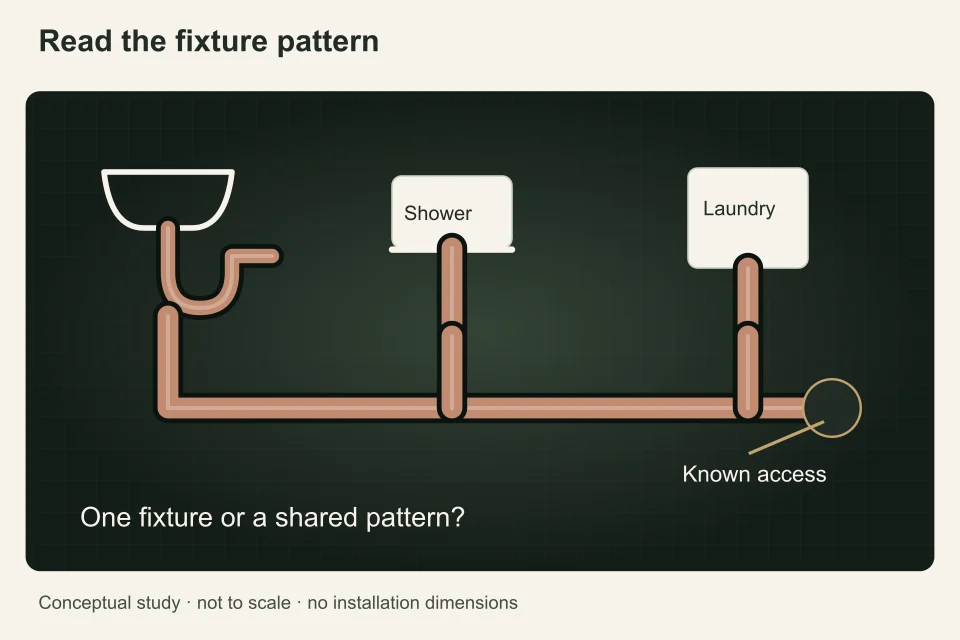
List every affected fixture and whether the problem occurs alone or when another fixture discharges. A kitchen sink that drains slowly is a different brief from a basement floor drain receiving wastewater when an upstairs toilet is used. Describe gurgling, odour and visible backup, including whether neighbours or other suites report similar trouble. Do not repeatedly run water to reproduce an overflow.
Mark the location of known accessible cleanouts on a simple sketch. Tell the contractor whether a previous service used that opening and whether the line was examined afterwards. A diagram with room names and observations is more useful than an unsupported statement that “the main sewer is blocked”.
Discuss clearing methods without prescribing one
A contractor should select the equipment after assessing the opening, pipe condition, likely obstruction and surrounding access. Mechanical clearing and water jetting have different limitations; neither is a universal treatment for every pipe. Ask what evidence supports the chosen approach, what could prevent completion and what the operator will do if the pipe cannot be passed safely.
Disclose any drain chemicals already used, including the product and approximate timing, rather than mixing another product into the line. Avoid removing shared cleanouts or entering a confined service space. Sewage exposure and electrical hazards require a controlled professional response. This page explains scope questions, not instructions for operating equipment or handling contaminated waste.
Define the camera deliverable
A camera view can help describe the accessible pipe after conditions permit inspection. Ask for the original recording, entry point, direction of travel, available distance information and the location of significant findings. An isolated still image may omit the approach to a defect or another part of the line. If the camera cannot proceed, the report should state where and why the examination stopped.
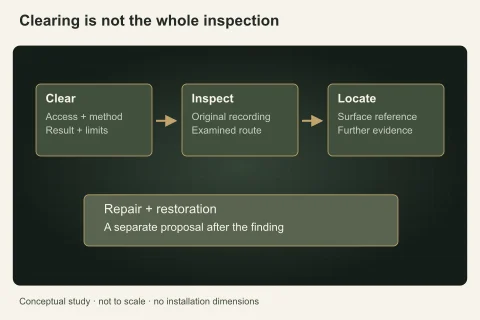
Distinguish what the camera shows from what it cannot measure. A visible pool, root intrusion or offset may justify further investigation, but an image alone is not an excavation design. Ask whether surface locating, utility coordination and a written repair recommendation are separate services from the drain-clearing visit.
Separate private drainage from public infrastructure
The City and Township provide different utility reporting and connection processes. A private drain contractor should not assume authority to alter a public connection or use the road allowance. If symptoms suggest a wider service issue, record the municipal report number and tell the contractor about it. Public-system assessment and private pipe repair may proceed through different teams.
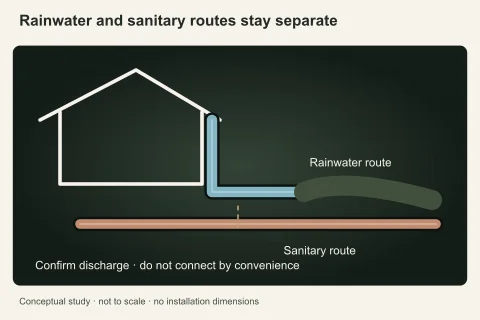
Rainwater drainage and sanitary wastewater also need to remain separate in the scope. Clearing a sanitary cleanout does not investigate perimeter drainage simply because both pipes are near the house. Use the rainwater drainage guide when the pattern follows rainfall and ask which system is actually being examined.
Compare outcomes rather than visit labels
Ask what the quoted visit includes: access preparation, equipment time, removal of an obstruction, camera work, disposal, written findings and any reinstatement. Find out how an unsuccessful attempt is billed and what authorization is required before moving to another opening or method. A fixed description such as “drain service” is too broad for a useful comparison.
The closeout should state which fixtures were checked, what was recovered or observed, and whether the line remained restricted. Repeated blockage may call for an evidence-based repair investigation rather than repeated assumptions about the same cause. Keep earlier camera files available so the next professional can compare the examined route and findings.
Prepare a drain-service brief
Prepare a drain service brief that separates what you observed from what has not been established. Describe the affected fixtures, known access openings, previous clearing dates and any chemicals introduced. Identify whether wastewater is still rising and whether a shared building is involved. Include whether the home is occupied, who can authorize access, and whether a City or Township permit record already exists. Keep photographs limited to the affected system; omit tenant documents, entry codes and unrelated personal information. A useful request says what decision you need, rather than prescribing an unconfirmed repair.
LangleyPlumber.ca is a reference and human-reviewed request service, not a plumbing contractor or municipal office. A person reads a submitted request and replies; this does not book work, promise availability or provide emergency dispatch. Request a written account of the result, retained camera files where included, and any unresolved segment or access limitation. Use the request form for planning and scope clarification after urgent safety needs have been addressed.
Questions people ask
Does a cleared drain mean the pipe is repaired?
No. Removing an obstruction may restore flow without changing a crack, displaced joint or other defect. Ask the contractor what was established after clearing and whether further inspection is recommended. A repair proposal should identify the relevant segment and evidence rather than treat a successful clearing visit as proof of sound condition.
Should every drain visit include a camera?
Not necessarily. The purpose, access and condition of the pipe determine whether a camera adds useful evidence. Ask whether it is included, optional or impractical until the obstruction is removed. If inspection is sold, specify the recording and findings you will receive and the limits of any incomplete examination.
Can one suite authorize work on a common drain?
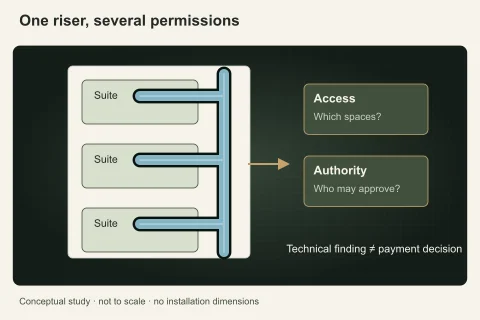
Do not assume that it can. The strata manager or authorized owner may need to approve shared access, shutdowns and spending. Explain the affected unit and symptoms without declaring ownership of a concealed branch. Keep the first investigation scope distinct from a decision about responsibility or a broader building repair.
Why are two drain quotes different?
One may include clearing only while another includes camera recording, locating or multiple access points. They may also allocate unsuccessful work and restoration differently. Compare the same system and written deliverables. Use the drain quote scope guide to identify exclusions before choosing a contractor on the headline amount alone.
Sources and further reading
- Engineering Forms and Guides ↗ · Township of Langley. Checked 2026-10-02.
- Applications, Forms & Permits ↗ · City of Langley. Checked 2026-10-02.
- Floods — Get prepared ↗ · Public Safety Canada. Checked 2026-10-02.
Confirm the current requirements with the responsible authority for the actual address and work. This reference does not replace site assessment or an official decision.