State the first deliverable clearly
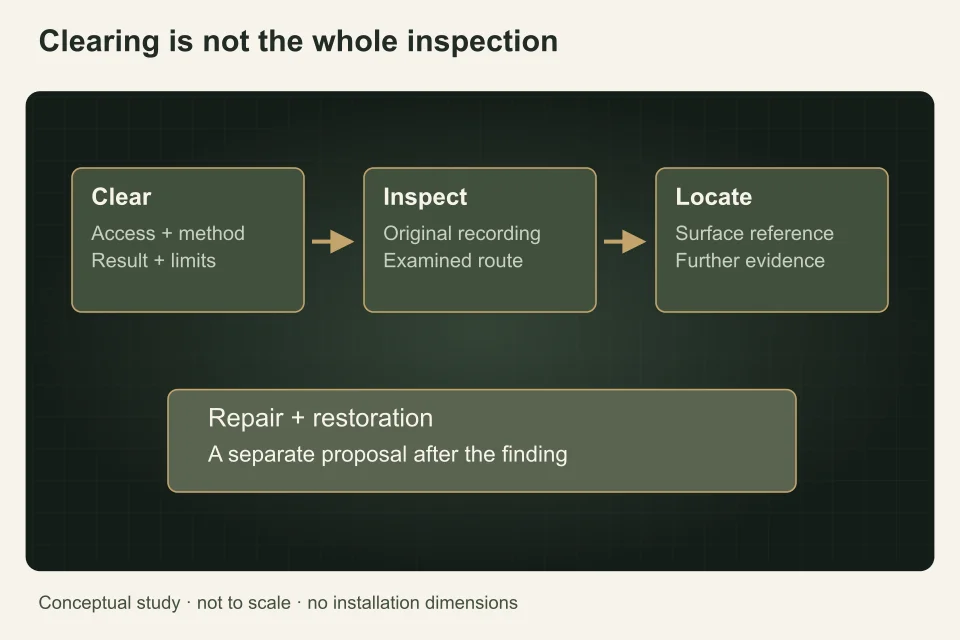
A clearing visit can aim to remove an obstruction from a particular opening; an inspection can aim to record the accessible line; a repair can replace or rehabilitate a defined segment. Ask each contractor to name the deliverable and its boundary. A vague bundle of “camera and repair” can leave unclear whether the repair is already specified or depends on what the camera later finds.
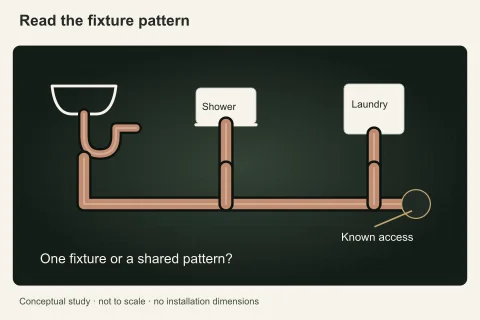
Describe the affected fixtures and known access points consistently in every request. Include earlier camera recordings or service findings where available. If symptoms are still escalating, separate the urgent response from the later written comparison rather than waiting for several planning replies.
Compare access assumptions
Ask which opening the contractor expects to use and whether its accessibility has been checked. Cabinet removal, excavation, a seized cap or access through another unit can change the work. Establish who obtains shared-building approval and who protects the surrounding area. An access assumption should be visible even if the proposal prices it as an allowance.
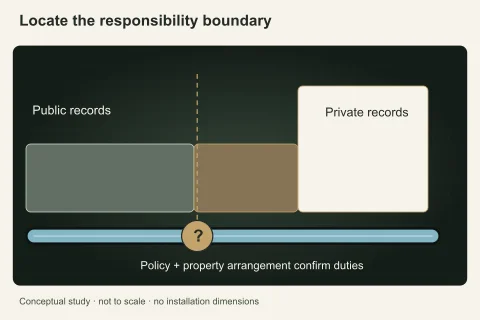
List whether the work concerns a fixture branch, building drain, private sewer or public connection. The contractor should explain what happens if the first opening does not permit completion. Moving to another route or system should have an approval step rather than an automatic expansion of the original visit.
Separate method and equipment charges
Ask whether the proposal includes mechanical clearing, water jetting, camera use, surface locating or several stages. A method should be selected for the assessed pipe and obstruction, not simply because it appears in a package name. Confirm how equipment time and additional attempts are billed and what stops the attempt when conditions are unsuitable.
Do not assume a camera recording is included because the operator owns a camera. State whether you will receive the original file, entry point, available distance information and a written account of findings. If examination is incomplete, the result should describe the unexamined segment and why it could not be accessed.
Ask how an incomplete result is handled
A line may remain obstructed or inaccessible despite a reasonable attempt. Before work, ask what is payable in that situation and what information the visit will still provide. An incomplete result is different from equipment damage or a departure from the authorized scope; do not collapse those issues into a single promise that “the drain will be fixed”.
Ask which further step is optional and how it will be quoted. Excavation or pipe replacement should be supported by relevant findings and a clearly located extent. A photograph of one defect should not automatically authorize a complete sewer replacement or alterations to public infrastructure.
Include reinstatement and follow-up evidence
Specify cleaning of the immediate work area, disposal, access restoration and any finish or surface work excluded from the price. A repair proposal should say how the pipe is checked afterwards and which portions remain unexamined or original. A clearing proposal should identify the fixtures or route checked and any recurring concern.
Keep the invoice, report and camera file linked to the same address and route. Later repeat symptoms can then be compared with the actual earlier examination rather than a generic description. Use the drain service guide to distinguish the evidence useful for clearing from the evidence needed to design a repair.
Prepare a comparable drain quote request
Prepare a drain quote brief that separates what you observed from what has not been established. Give each contractor the same affected-fixture list, access information, prior findings and desired deliverable. Ask explicitly about unsuccessful attempts and separate camera or locating charges. Include whether the home is occupied, who can authorize access, and whether a City or Township permit record already exists. Keep photographs limited to the affected system; omit tenant documents, entry codes and unrelated personal information. A useful request says what decision you need, rather than prescribing an unconfirmed repair.
LangleyPlumber.ca is a reference and human-reviewed request service, not a plumbing contractor or municipal office. A person reads a submitted request and replies; this does not book work, promise availability or provide emergency dispatch. Request a written comparison of clearing, evidence gathering and any later repair, including reinstatement and retained files. Use the request form for planning and scope clarification after urgent safety needs have been addressed.
Questions people ask
Why is one camera-and-clearing quote much higher?
It may include additional access points, locating, original video delivery, written findings or different terms for unsuccessful work. Ask each contractor to itemize the scope and assumptions. Price alone cannot show whether the proposals examine the same pipe or leave the same work unresolved.
Does jetting include pipe repair?
No automatic repair follows from a clearing method. Ask what the method is intended to achieve, how its suitability is assessed and whether later inspection is included. If a structural defect remains, any proposed repair needs its own defined extent, evidence, approvals and restoration scope.
Should I accept a replacement recommendation during the visit?
You can ask for the evidence and written recommendation before authorizing non-urgent additional work. Request the location, observed defect, examination limits and proposed repair boundary. Where immediate action is required for safety or source control, keep that authorization distinct from a broader long-term replacement decision.
What should a completed drain invoice explain?
It should identify the opening and system worked on, the authorized method, outcome and any limitations. If recording or locating was included, retain those files and references. Record unresolved segments and recommended follow-up. A generic “drain cleared” line is less useful when the problem later returns.
Sources and further reading
- Home renovations ↗ · Office of Consumer Affairs, Government of Canada. Checked 2026-10-02.
- Engineering Forms and Guides ↗ · Township of Langley. Checked 2026-10-02.
- Applications, Forms & Permits ↗ · City of Langley. Checked 2026-10-02.
Confirm the current requirements with the responsible authority for the actual address and work. This reference does not replace site assessment or an official decision.