Identify the systems from records
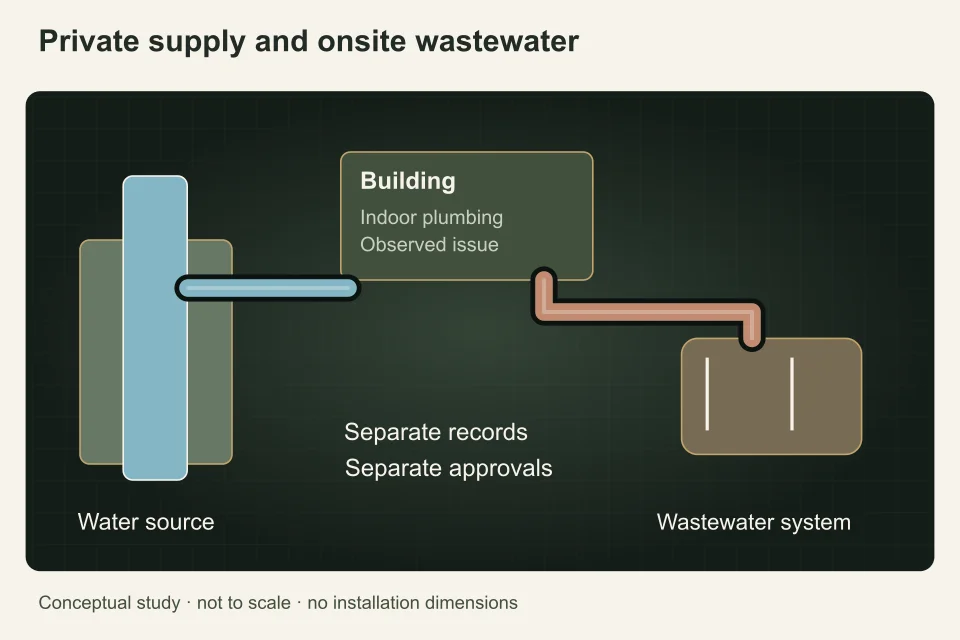
Collect the property’s water-supply and onsite-sewerage records, maintenance documents and any available site plan. Mark the well, treatment equipment, tanks and distribution areas only where the information is known. A nearby municipal main does not establish that the property is connected, and a rural mailing address does not prove the system type.
Ask the owner, appropriate authority or specialist to distinguish installed records from an old proposal. A home purchase file may contain useful information but not the latest alteration. The first planning task is to establish what system serves the property and which records still need to be obtained.
Keep plumbing and water quality separate
A building plumber can assess parts of the domestic plumbing, but that does not establish the safety of a private water supply. Fraser Health provides private-well, drinking-water-advisory and water-system resources. Use the appropriate health authority and qualified specialist for water quality questions rather than judging safety from taste, clarity or a pressure complaint.
Identify any treatment equipment, service history and laboratory information available, without selecting treatment from an unconfirmed concern. A treatment proposal should state the issue it addresses and the evidence supporting it. Keep health advice, equipment service and building plumbing work as separate but coordinated tasks.
Use the onsite-sewerage process
Fraser Health publishes resources for owners and authorized persons, including system record requests, filings before construction or alteration and post-construction certification. A generic drain contractor’s quote should not be treated as authorization to redesign or alter an onsite wastewater system. Ask who is qualified and responsible for the particular system work.
If there is sewage backup, surface discharge or another health concern, use the appropriate urgent and health-authority reporting channels. Do not open tanks, enter confined spaces or excavate a disposal area to diagnose a fault. A safe assessment must establish the affected system and required next steps.
Assess renovations against the existing services
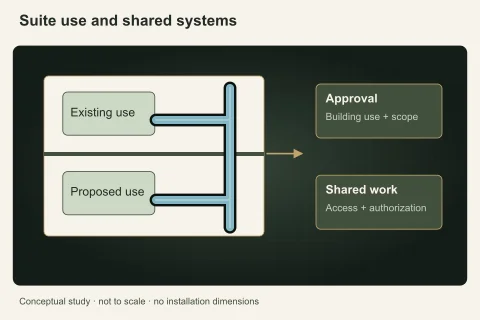
A new bathroom, suite or other change can alter the property’s intended use and service needs. Tell the municipal project reviewer and onsite-system specialist about the complete proposal. Interior fixture installation does not establish that the existing water or wastewater arrangement is suitable for the change.
Coordinate the necessary records and assessments before finalizing the renovation layout or price. The building contractor needs to know which system questions are unresolved and who will answer them. Keep any service upgrade, treatment change or onsite alteration outside a simple fixture allowance unless its scope and approvals are explicitly included.
Define specialist boundaries and closeout
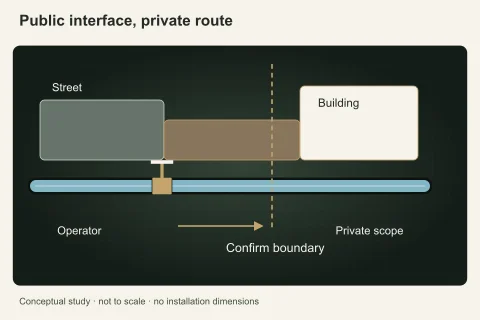
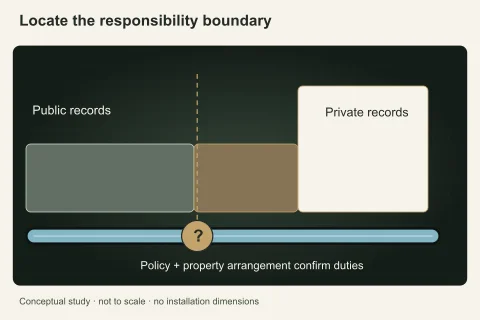
State whether the scope concerns the well or source, treatment, supply distribution, fixture drainage or onsite sewerage system. Ask each specialist to identify its boundary and interfaces with other work. Professional locating and site access planning may be needed, particularly where records are incomplete or buried services cross the work area.
Retain the final system record, certification where applicable, product information, maintenance instructions and unresolved concerns. Link those documents to the actual completed work. Future owners and managers need to understand the installed arrangement rather than inherit an invoice that says only “septic” or “water repaired”.
Prepare a rural-system request
Prepare a rural water and wastewater brief that separates what you observed from what has not been established. State the known supply source and wastewater destination, available records, symptoms and proposed property changes. Mark system locations or approvals that remain unverified. Include whether the home is occupied, who can authorize access, and whether a City or Township permit record already exists. Keep photographs limited to the affected system; omit tenant documents, entry codes and unrelated personal information. A useful request says what decision you need, rather than prescribing an unconfirmed repair.
LangleyPlumber.ca is a reference and human-reviewed request service, not a plumbing contractor or municipal office. A person reads a submitted request and replies; this does not book work, promise availability or provide emergency dispatch. Ask for the right specialist assessment and a clear division between building plumbing, water quality and onsite-system work. Use the request form for planning and scope clarification after urgent safety needs have been addressed.
Questions people ask
Does a plumber’s visit certify well water is safe?
No. Equipment or building-plumbing service is different from water-quality assessment. Use the appropriate health authority, testing process and qualified specialist for the supply concern. Keep records of the actual tests and advice; taste, appearance or a repaired pressure issue cannot establish drinking-water safety.
Can I use a municipal sewer guide for my septic property?
Only the general planning questions may transfer. Onsite wastewater has a different system, record and professional process. Identify the actual destination and review Fraser Health’s owner resources. Do not treat a municipal connection requirement or private sewer repair method as authorization for an onsite-system alteration.
What records matter before adding a suite?
Collect the current water and onsite-sewerage records, maintenance information and any municipal approval history, then explain the complete suite proposal to the relevant authorities and professionals. The installed interior fixtures do not establish service suitability. Keep any required review or upgrade visible before pricing the renovation as a complete project.
Can this request arrange septic pumping or a water test?
It can help clarify the planning need, but it does not book a specialist, promise attendance or provide emergency response. State the actual symptom and system information so a person can review the request. Use direct appropriate urgent or health-authority channels when sewage exposure or drinking-water safety is at issue.
Sources and further reading
- Drinking water ↗ · Fraser Health. Checked 2026-10-02.
- Onsite sewerage resources for property owners and authorized persons ↗ · Fraser Health. Checked 2026-10-02.
- Secondary Suites ↗ · Township of Langley. Checked 2026-10-02.
Confirm the current requirements with the responsible authority for the actual address and work. This reference does not replace site assessment or an official decision.