Identify the system without opening it
Record whether domestic hot water comes from a storage tank, tankless unit or shared building system, and whether the visible label identifies gas or electricity. Do not remove covers, test live components or adjust gas connections. A photograph of accessible manufacturer information and an account of the symptom can support the first conversation without exposing the household to equipment hazards.
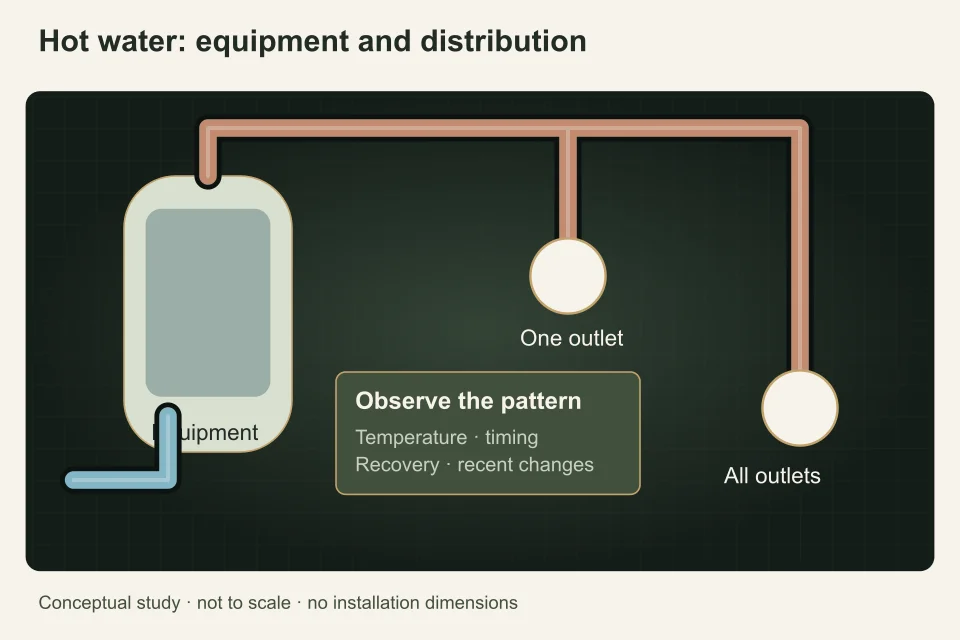
Distinguish domestic hot water from space heating. A home may have separate equipment or a combined arrangement, and a “water heater” request can overlook that connection. Explain whether heating is also affected and whether the equipment serves another suite, so responsibility and shutdown planning begin with the actual system.
Define the symptom and the first assessment
Describe whether hot water is absent, intermittent, slow to reach a fixture or insufficient during a particular use pattern. Note whether all fixtures are affected and whether the symptom appeared suddenly or after a change in occupancy or equipment. Do not assume the tank needs replacement merely because one outlet behaves differently.
Ask what a diagnostic visit includes and which trade will perform regulated work if the fault involves gas or electricity. The written finding should identify the confirmed issue, repair options and any limitations. A general equipment age estimate is not a diagnosis or a guarantee of remaining service life.
Keep municipal plumbing and regulated energy work separate
Technical Safety BC provides gas and electrical permit information and a licensed-contractor lookup. Those approvals are distinct from the City or Township plumbing path. Ask who obtains each required approval and how its record will be supplied; a plumbing permit discussion should not be interpreted as authorization to alter gas or electrical equipment.
The Township guide lists hot-water tank replacement among its published plumbing exceptions, but the exact project can include other regulated work or a wider alteration. Confirm applicability with the responsible authorities. A tankless conversion, relocation or combined heating arrangement deserves a system-specific scope rather than an exemption inferred from the word replacement.
Compare the whole replacement arrangement
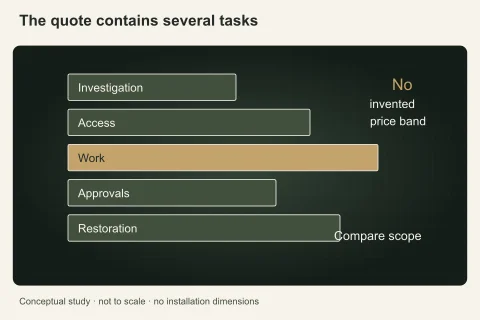
Specify the proposed equipment, energy source, location, removal of old equipment and installation interfaces. Ask what is included for venting, electrical supply, fuel connection, drainage, controls and any necessary building work. Each interface needs an accountable party, not a footnote that the homeowner discovers after the equipment arrives.
Compare expected use with the professional’s equipment selection. The household’s pattern, available space and existing infrastructure matter, but this page does not calculate a compliant equipment design. Request the contractor’s selection basis and manufacturer documentation. Keep optional changes separate from the work required to restore the existing domestic hot-water service.
Plan shutdown, access and closeout
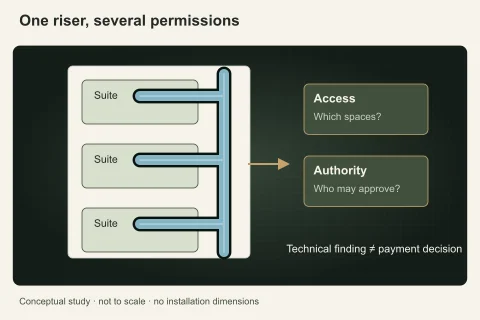
Discuss entry routes, safe removal, access around the equipment and the period when water or another service may be unavailable. In a strata building, a suite cannot assume authority over a common plant or shared riser. Ask the manager which system serves the unit, who approves replacement and whether notices or common-area access are needed.
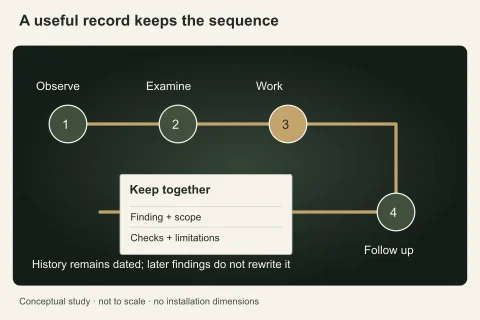
At completion, keep model and serial information, operating instructions, contractor warranty terms and applicable permit or declaration records. Ask which checks were performed and who explains normal operation. Do not accept an unqualified “commissioned” label as a substitute for clear documentation of the work, regulated interfaces and any follow-up concerns.
Prepare a hot-water planning request
Prepare a hot-water planning brief that separates what you observed from what has not been established. Include equipment type and energy source if known, which fixtures are affected, whether space heating is involved and whether the system is shared. Do not include photographs that require removing a cover. Include whether the home is occupied, who can authorize access, and whether a City or Township permit record already exists. Keep photographs limited to the affected system; omit tenant documents, entry codes and unrelated personal information. A useful request says what decision you need, rather than prescribing an unconfirmed repair.
LangleyPlumber.ca is a reference and human-reviewed request service, not a plumbing contractor or municipal office. A person reads a submitted request and replies; this does not book work, promise availability or provide emergency dispatch. Request distinct repair, like-for-like replacement and optional conversion scopes, with approval responsibility and operating documents identified. Use the request form for planning and scope clarification after urgent safety needs have been addressed.
Questions people ask
Does no hot water mean I need a new tank?
Not necessarily. The symptom can arise from different parts of a domestic hot-water system or from a fixture-specific issue. Record which outlets are affected and ask for an assessment. Do not open gas or electrical equipment to investigate. A replacement decision should follow the confirmed fault and a written comparison of the available scope.
Can a plumbing permit cover gas work?
Do not assume that it does. Municipal plumbing and regulated gas or electrical approvals have different authorities and responsibilities. Ask the contractor to identify the required records for the actual equipment change. Technical Safety BC’s permit and contractor resources help establish the regulated-work path in British Columbia.
Can my strata unit replace shared hot-water equipment?
Establish the equipment’s ownership and the authorized decision-maker first. A shared system can affect other residents and common services. Give the manager the symptom and accessible equipment information, and request a defined assessment. A unit-specific quote should not silently include authority to change common plant or interrupt neighbouring suites.
How should I compare tankless and storage proposals?
Compare the whole installed system, not only the purchase price or advertised output. Ask about energy infrastructure, space, venting, drainage, maintenance access and the contractor’s selection basis. Keep any building or trade work visible in the scope. No universal Langley price or payback is assumed here.
Sources and further reading
- Permits ↗ · Technical Safety BC. Checked 2026-10-02.
- Plumbing Permit Application Guide ↗ · Township of Langley. Checked 2026-10-02.
- Division of repair duties in a strata ↗ · Province of British Columbia. Checked 2026-10-02.
Confirm the current requirements with the responsible authority for the actual address and work. This reference does not replace site assessment or an official decision.