Define the work before asking for a number
A description such as “fix the plumbing” can mean investigating a stain, replacing a fixture, clearing a drain or renewing an entire distribution system. Specify the affected component and the desired result, and mark any diagnosis that is still uncertain. Ask whether the first price covers an assessment or a completed repair. An investigation that identifies the next step should not be confused with an unsuccessful promise to repair everything.
Write down the replacement boundary and retained components. If two contractors price different extents, their totals are not a like-for-like comparison. Make the uncertainty visible rather than forcing a fixed number before concealed conditions can be assessed.
Understand access as a priced task
Accessible fittings below a sink, concealed pipes behind tile and a buried service below a driveway require different preparation and reinstatement. Describe cabinet contents, ceiling access, occupied rooms, site surfaces and shared service spaces. Ask who opens finishes, protects the area and makes it safe between stages. Those tasks should appear in the scope even if a separate trade performs them.
Shared buildings add authorization and coordination rather than simply more pipe length. A contractor may need manager approval, another suite’s access or a planned common shutdown. Include those requirements when seeking a proposal so the quote does not assume access that the requesting resident cannot provide.
Separate materials and system interfaces
Identify whether the contractor supplies the fixture or equipment and which model or material is priced. Customer-supplied products can change responsibility for compatibility, defects, delivery and missing components. Ask who pays for approved substitutions and how changes are documented. A preferred product should not become a complete installation specification without a property-specific check.
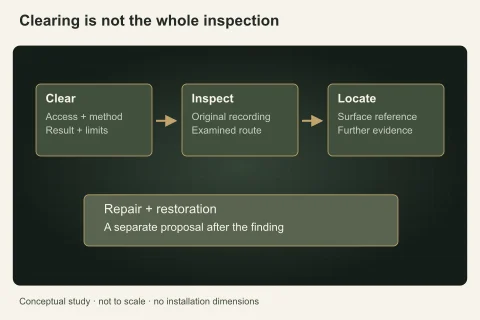
Hot-water work may involve regulated gas or electrical tasks; drainage work may involve camera inspection, locating or excavation. Ask whether the proposal includes these interfaces or only the plumbing component. A lower equipment price can still leave substantial work outside the contractor’s responsibility.
Keep fees, taxes and allowances visible
Municipal utility rates and application charges are not contractor repair prices. The Township and City publish different local processes, so ask which authority and fees apply to the property and project. Allocate who obtains approvals, arranges inspections and supplies records. Where a wider building permit exists, check its included plumbing scope rather than assuming either duplication or exemption.
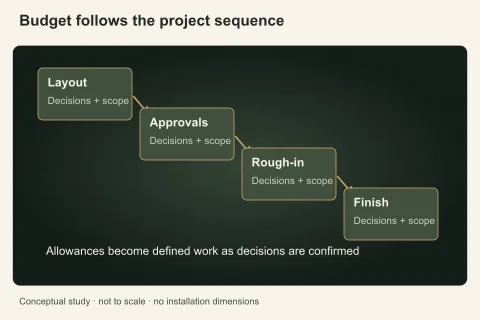
Request a breakdown that distinguishes firm work, optional work and unresolved allowances. State whether applicable taxes are included. If additional investigation or a concealed defect can change the price, agree who authorizes the change and how its cost is recorded before work proceeds.
Compare completion and restoration standards
“Installed”, “cleared” and “replaced” can conceal different closeout expectations. List the operation checks, written findings, camera files, permit records and product documents expected from the job. Specify any plasterboard, paint, cabinets, landscaping or paving restoration. A proposal that leaves finish work to the owner needs a separate realistic plan for that work.
Compare contractor warranty terms as actual written terms rather than treating the word warranty as identical across proposals. Note what relates to equipment, installation and retained components. Record unresolved conditions and follow-up recommendations so a completed invoice is not interpreted as a guarantee about the entire property.
Prepare a scope-based pricing request
Prepare a pricing and scope brief that separates what you observed from what has not been established. Describe the system, confirmed evidence, desired outcome, access restrictions, product responsibility and finish standard. Identify what is still unknown and whether the first task should be an assessment. Include whether the home is occupied, who can authorize access, and whether a City or Township permit record already exists. Keep photographs limited to the affected system; omit tenant documents, entry codes and unrelated personal information. A useful request says what decision you need, rather than prescribing an unconfirmed repair.
LangleyPlumber.ca is a reference and human-reviewed request service, not a plumbing contractor or municipal office. A person reads a submitted request and replies; this does not book work, promise availability or provide emergency dispatch. Ask contractors to price the same boundary and separately identify fees, taxes, options, allowances and excluded restoration. Use the request form for planning and scope clarification after urgent safety needs have been addressed.
Questions people ask
Why does this guide not publish a Langley price range?
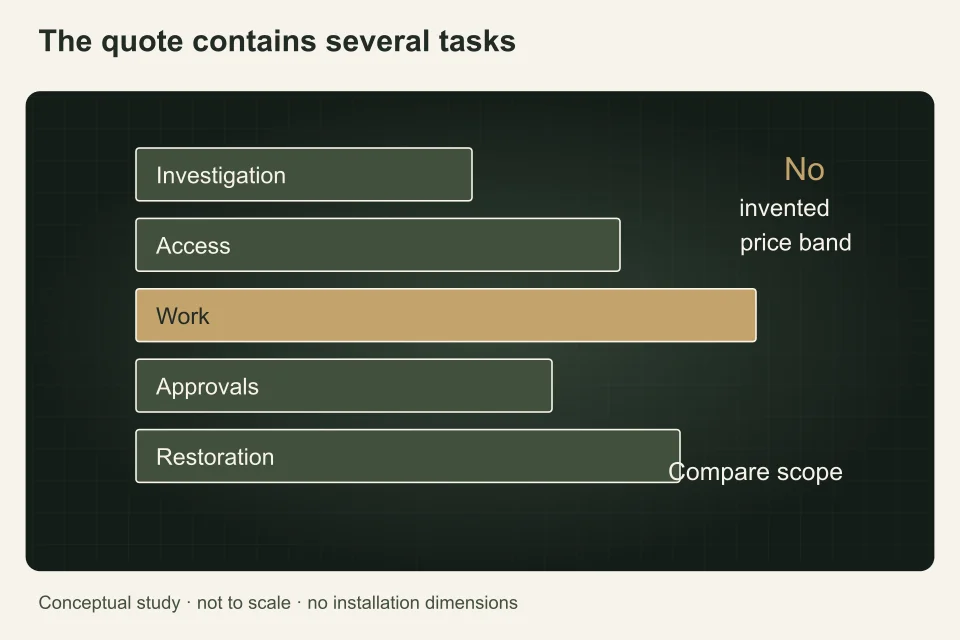
An uncited range would suggest precision that an undefined project cannot support. Access, diagnosis, products, system extent, approvals and restoration can change the scope considerably. Obtain written property-specific proposals and compare the same deliverables. Official municipal charges are referenced as charges, not converted into a contractor’s market price.
Is the lowest quote necessarily missing work?
No. A lower price may be a genuine commercial difference, but first check that both quotes describe the same system and result. Compare exclusions, allowances, products, taxes and restoration. Ask for clarification rather than assuming quality from either the highest or lowest total.
Can I compare an hourly visit with a fixed repair price?
Only after understanding what each authorizes and how its uncertainty is handled. Ask what the visit can establish, how equipment or additional time is charged, and when approval is required. A fixed repair scope may still exclude concealed defects. Record those limits so the different pricing structures are understandable.
Does a permit fee mean the project price is official?
No. A published permit or utility charge is only one part of a project and does not validate a contractor’s labour, materials or restoration price. Check the applicable authority and date, then keep that charge separate from the private work. A complete quote explains both approvals and deliverables.
Sources and further reading
- Home renovations ↗ · Office of Consumer Affairs, Government of Canada. Checked 2026-10-02.
- Utility Rates ↗ · Township of Langley. Checked 2026-10-02.
- Plumbing and Sprinklers ↗ · Township of Langley. Checked 2026-10-02.
- Applications, Forms & Permits ↗ · City of Langley. Checked 2026-10-02.
Confirm the current requirements with the responsible authority for the actual address and work. This reference does not replace site assessment or an official decision.