Document the issue clearly
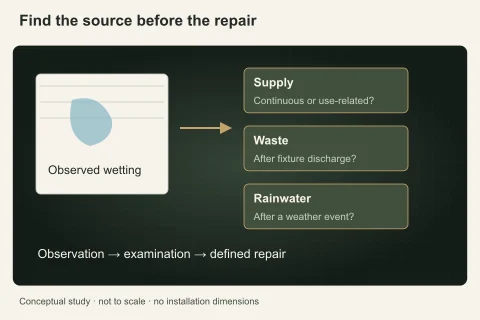
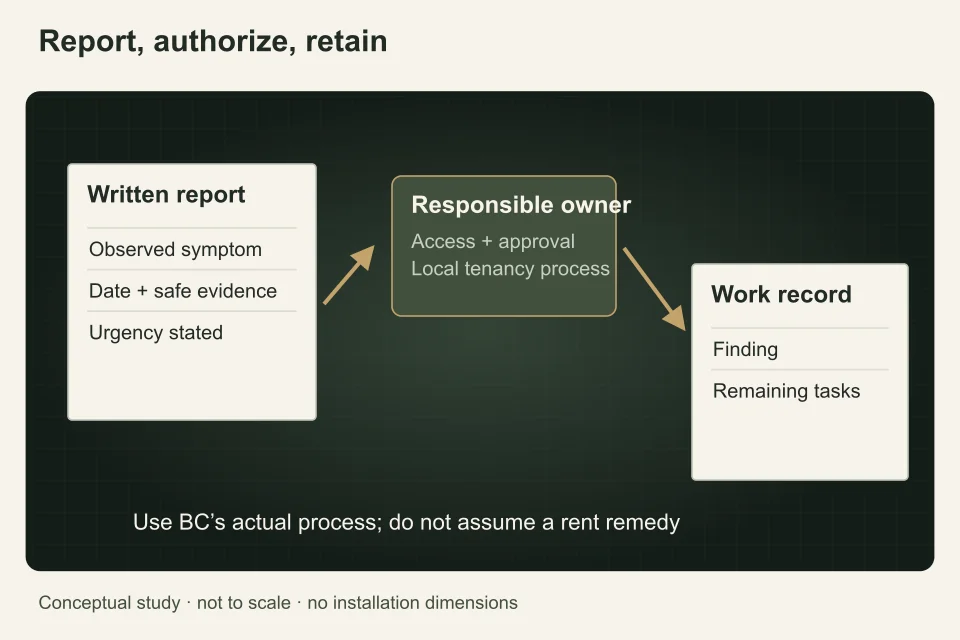
Record the affected fixture or area, when the symptom began and how it affects use of the home. Describe observable facts rather than an unconfirmed diagnosis. Photographs from a safe location and a brief event log can help the landlord or authorized manager understand whether the issue is isolated, recurring or expanding.
Keep communications dated and retain the repair contact provided for the tenancy. Avoid sending unrelated personal documents or other residents’ information with the first report. If the property is in a strata, the landlord may also need to coordinate with the building manager about common plumbing or access to another unit.
Use urgent channels for urgent hazards
Increasing flooding, sewage exposure, an unstable wet ceiling or electrical danger should not wait for a planning-form reply. Use the appropriate emergency, utility, landlord or building-management channel for the actual hazard. Do not enter contaminated or electrically hazardous water, remove damaged finishes or operate shared equipment as an experiment.
British Columbia’s residential-tenancy guidance has a specific emergency-repair process and criteria. Read that current provincial guidance and keep the circumstances and contact attempts recorded. This site does not turn every plumbing inconvenience into a statutory emergency or provide a decision about reimbursement, rent deductions or liability.
Separate reporting from work authorization
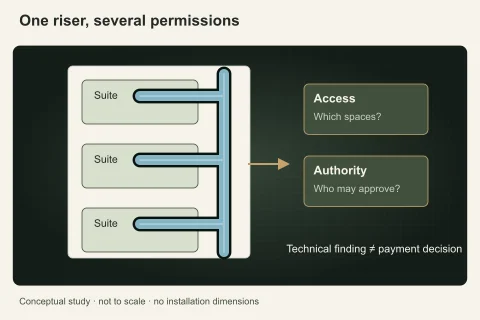
A tenant can report a defect without necessarily having authority to approve an alteration, common shutdown or larger project. Ask the landlord or authorized manager who arranges the assessment and who can approve additional work. Give the contractor that contact rather than relying on an occupant’s informal instruction.
For planned fixture or layout changes, obtain the relevant landlord and building approvals before seeking an installation scope. A human-reviewed request to this site does not authorize work on the rental. The distinction is important when a repair reveals a larger defect or the tenant prefers an upgrade beyond restoring the existing function.
Coordinate the visit and resident privacy
Identify safe access, the affected room and any building restrictions through the authorized process. Do not include entry codes, detailed absence schedules or private tenant information in public notes. Ask who communicates the visit arrangements, shutdowns and any need for access to another suite.
Keep the investigation scope limited and documented. If opening finishes or interrupting a shared service becomes necessary, clarify the approval route and how residents are informed. An initial assessment should distinguish the source finding from later repair, restoration and cost-allocation decisions rather than leaving all of them to a rushed conversation at the door.
Preserve the result and unresolved work
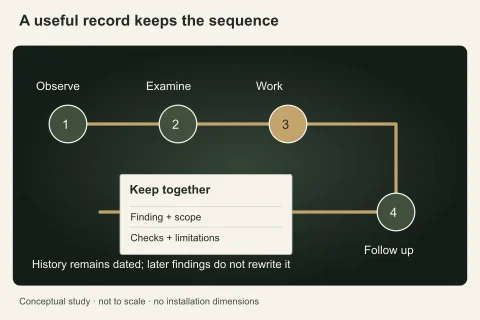
Ask for the contractor’s finding, work completed and any remaining limitation to be recorded through the landlord or manager. Pipe repair, drying and finish restoration can be separate stages. A room that still has unresolved moisture or damaged surfaces needs a documented next action, not only an invoice stating that a fitting was replaced.
Retain the dates, relevant correspondence and available receipts. Disputed repair responsibility or reimbursement may require the provincial tenancy process or independent advice. This reference explains how to organize evidence; it does not instruct a tenant to withhold rent, deduct a charge or make a legal demand.
Prepare a rental repair brief
Prepare a rental repair planning brief that separates what you observed from what has not been established. State that you are a tenant or landlord, the observed issue, its effect on use, whether it has been reported and who is authorized to arrange work. Exclude unnecessary personal or access-security information. Include whether the home is occupied, who can authorize access, and whether a City or Township permit record already exists. Keep photographs limited to the affected system; omit tenant documents, entry codes and unrelated personal information. A useful request says what decision you need, rather than prescribing an unconfirmed repair.
LangleyPlumber.ca is a reference and human-reviewed request service, not a plumbing contractor or municipal office. A person reads a submitted request and replies; this does not book work, promise availability or provide emergency dispatch. Ask for an assessment and clear next-stage responsibility while preserving the official tenancy and urgent-response channels. Use the request form for planning and scope clarification after urgent safety needs have been addressed.
Questions people ask
Can the form replace contacting my landlord?
No. Use the tenancy’s repair or emergency contact route and preserve a dated report. This site’s human-reviewed planning request does not notify the landlord automatically, grant access or arrange emergency attendance. It can help clarify the remaining assessment or scope after the proper parties are informed.
Does every blocked fixture qualify as an emergency repair?
Do not assume that. British Columbia’s official guidance sets criteria and a process that depend on the actual situation. Immediate physical hazards still need the appropriate urgent response. Read the provincial source and seek appropriate advice about statutory rights rather than treating a website symptom selection as a legal determination.
Can a tenant authorize a common water shutdown?
Not simply because their unit is affected. The landlord and strata or building manager may need to coordinate common services, approvals and residents. Give the contractor an authorized contact and describe the symptom. Keep the repair-reporting role separate from authority to alter shared equipment or commit building expenditure.
Who pays for water-damage restoration?
That can depend on the tenancy, cause, repair duties, insurance and other facts. Preserve evidence and use the appropriate landlord, insurer or tenancy process. Do not infer payment responsibility from the stained room or one repair invoice. Plumbing source repair and building restoration should remain distinct recorded tasks.
Sources and further reading
- Repairs and maintenance ↗ · Province of British Columbia. Checked 2026-10-02.
- Division of repair duties in a strata ↗ · Province of British Columbia. Checked 2026-10-02.
- Floods — Get prepared ↗ · Public Safety Canada. Checked 2026-10-02.
Confirm the current requirements with the responsible authority for the actual address and work. This reference does not replace site assessment or an official decision.